The Return of Texture
Every so often, we begin to notice the same idea appearing in unexpected places. Lately, it’s tactile texture – a way of creating depth, warmth, and authenticity in a digital world.
Across branding, interiors, packaging, and more, we’re seeing a renewed appreciation for surfaces that feel tactile, imperfect, and a little human. Here are a few examples that have shaped our thinking recently.
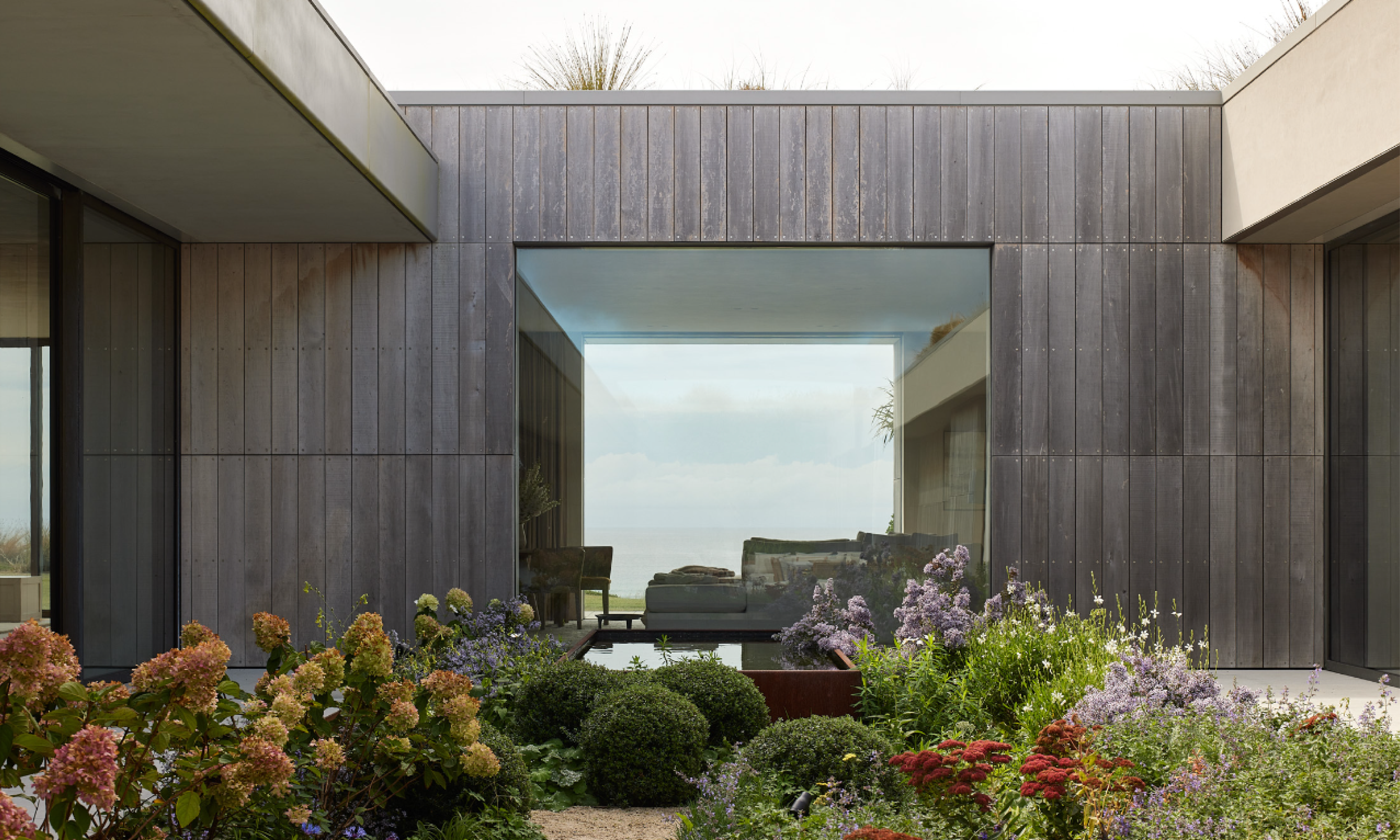
Source: Fearon Hay
Texture Through the Screen
Texture isn’t limited to what we can touch. We’re noticing more brands incorporating grain, subtle noise, halftones, paper fibers, and hand-drawn elements into otherwise clean identity systems. These details add warmth without sacrificing clarity, giving digital experiences a sense of character that can often feel missing on a perfectly smooth screen.
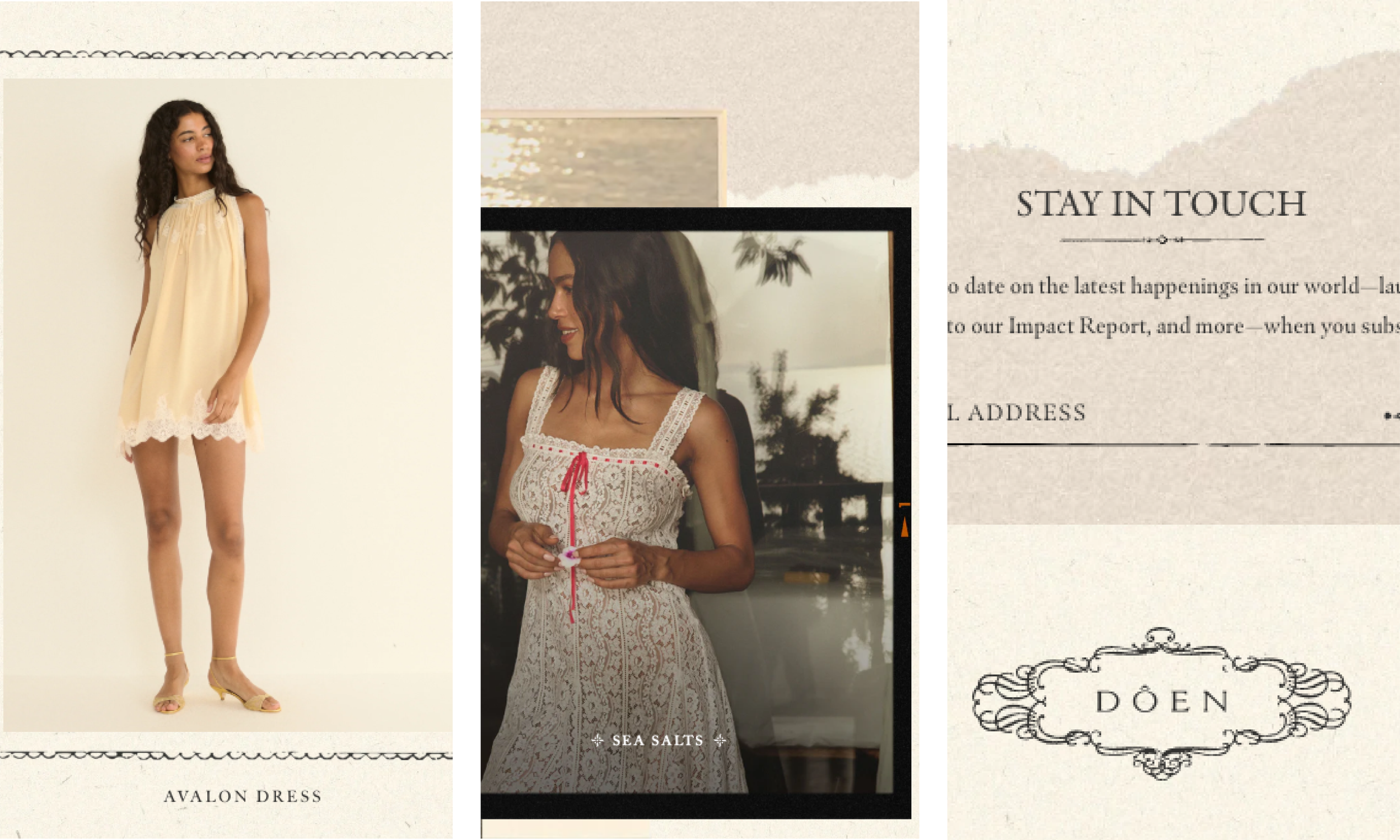
Source: Shop Dôen
A Tangible Experience
Print has always been tactile, but recently it feels intentionally so. Uncoated stocks, embossing, debossing, foil, letterpress, and textured finishes are being used because they’re beautiful and they slow people down. They encourage interaction in a way that digital media can’t replicate. As more communication happens through screens, physical experiences become even more memorable.
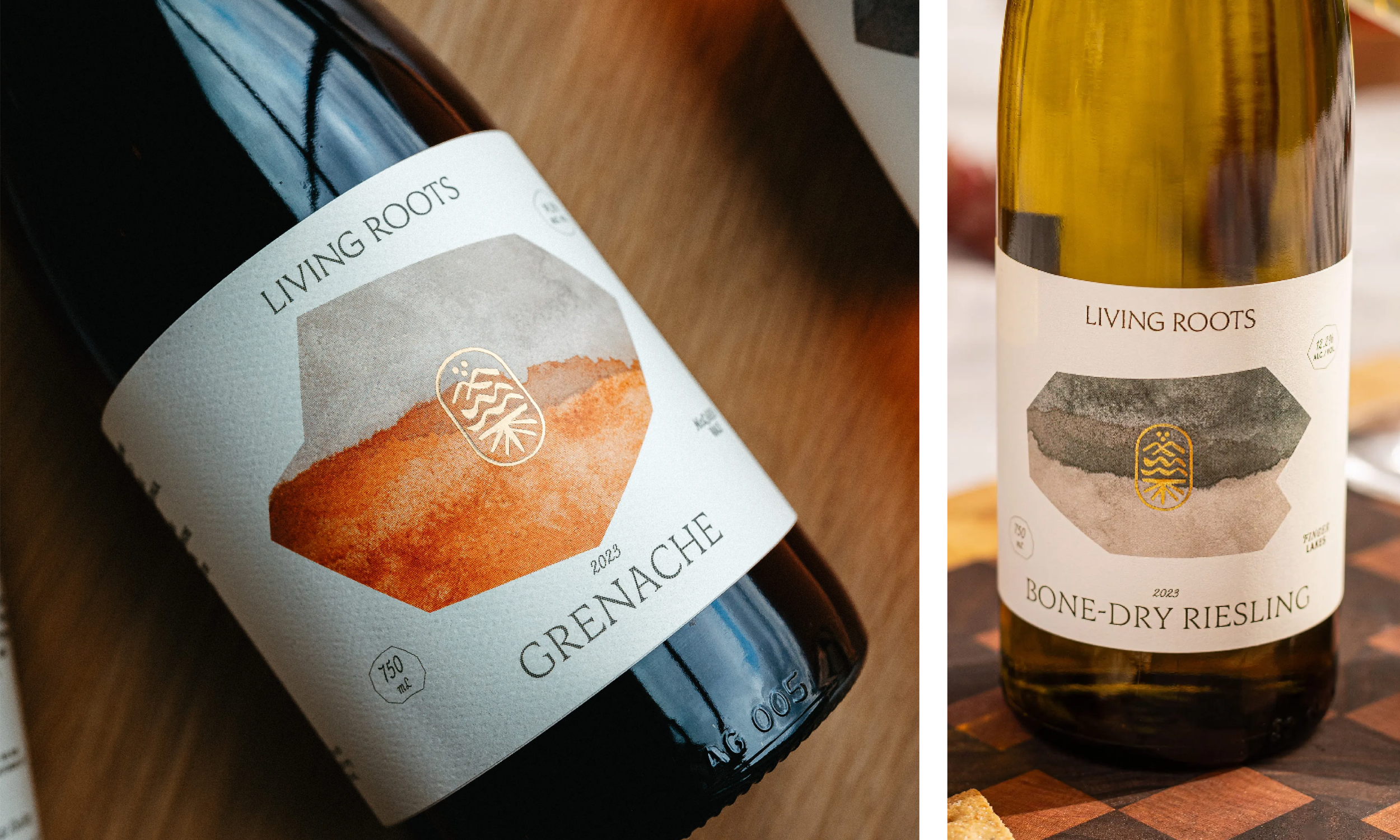
Source: Smith & Diction
The Art of Layering
Some of the most memorable hospitality spaces we’ve encountered don’t feel perfectly styled. They feel layered. Natural materials, vintage pieces, handmade ceramics, worn leather, and thoughtful lighting create environments that feel lived in. That same principle applies to branding. The strongest identities rarely rely on a single bold mark. Instead, they create a story through layers of details that work together over time.
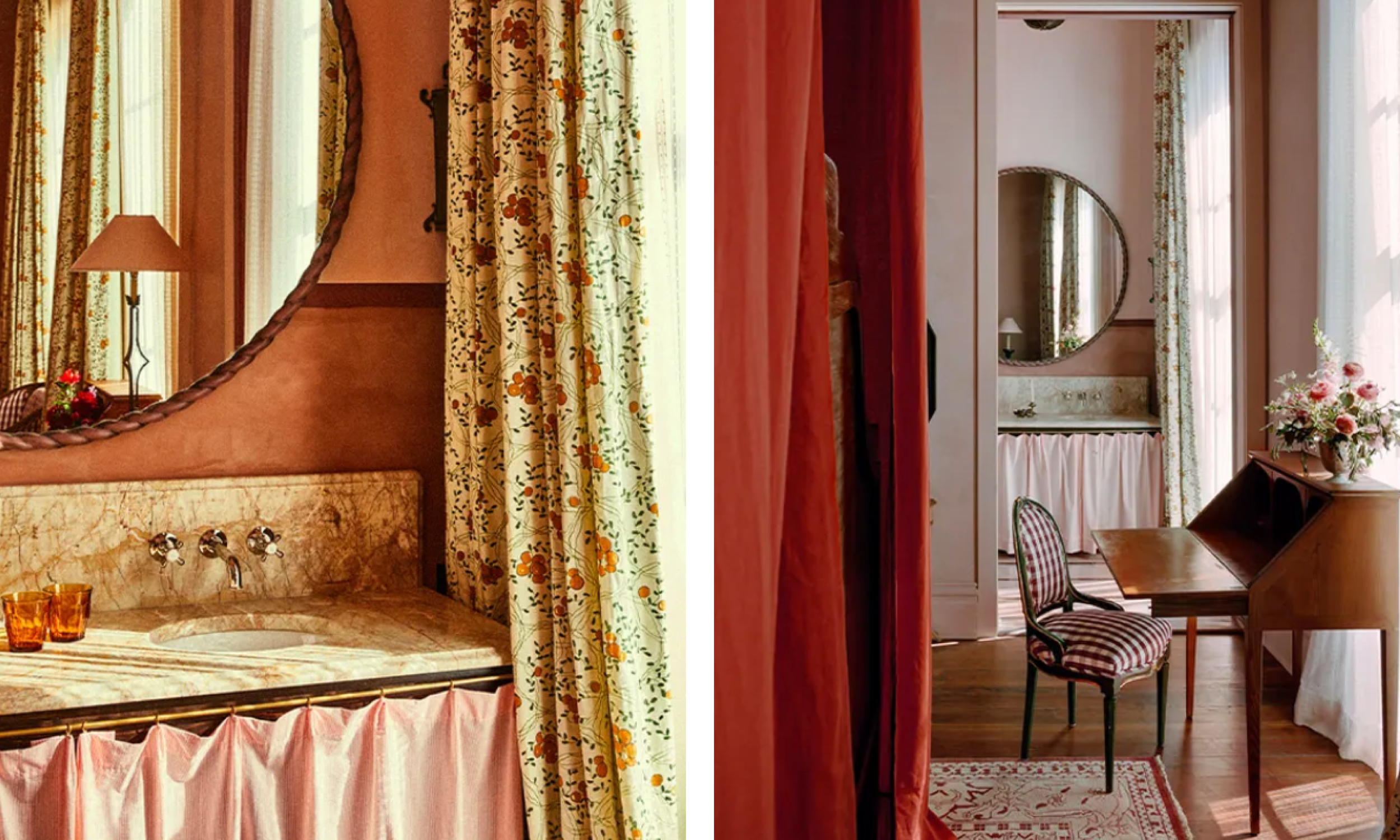
Source: Ash Hotels
Our Takeaways
As digital tools become faster, cleaner, and more automated, we’re drawn to work that carries evidence of its making. Small imperfections, natural materials, and tactile details remind us that memorable experiences are rarely defined by perfection, they’re shaped by character.
It’s a subtle shift, but one we’re continuing to notice across disciplines, and one that’s influencing the way we think about brands, spaces, and experiences.